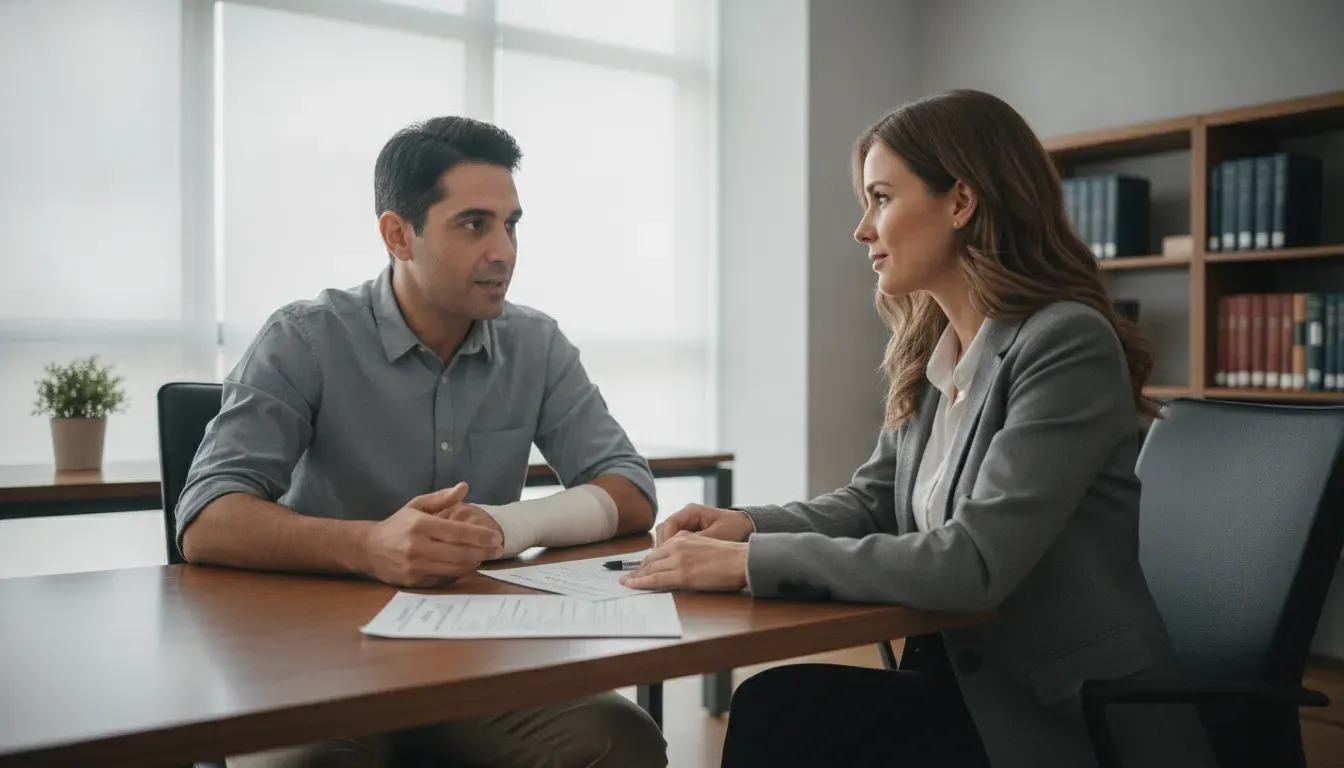
WSIB Surveillance: Protecting Your Ontario Claim
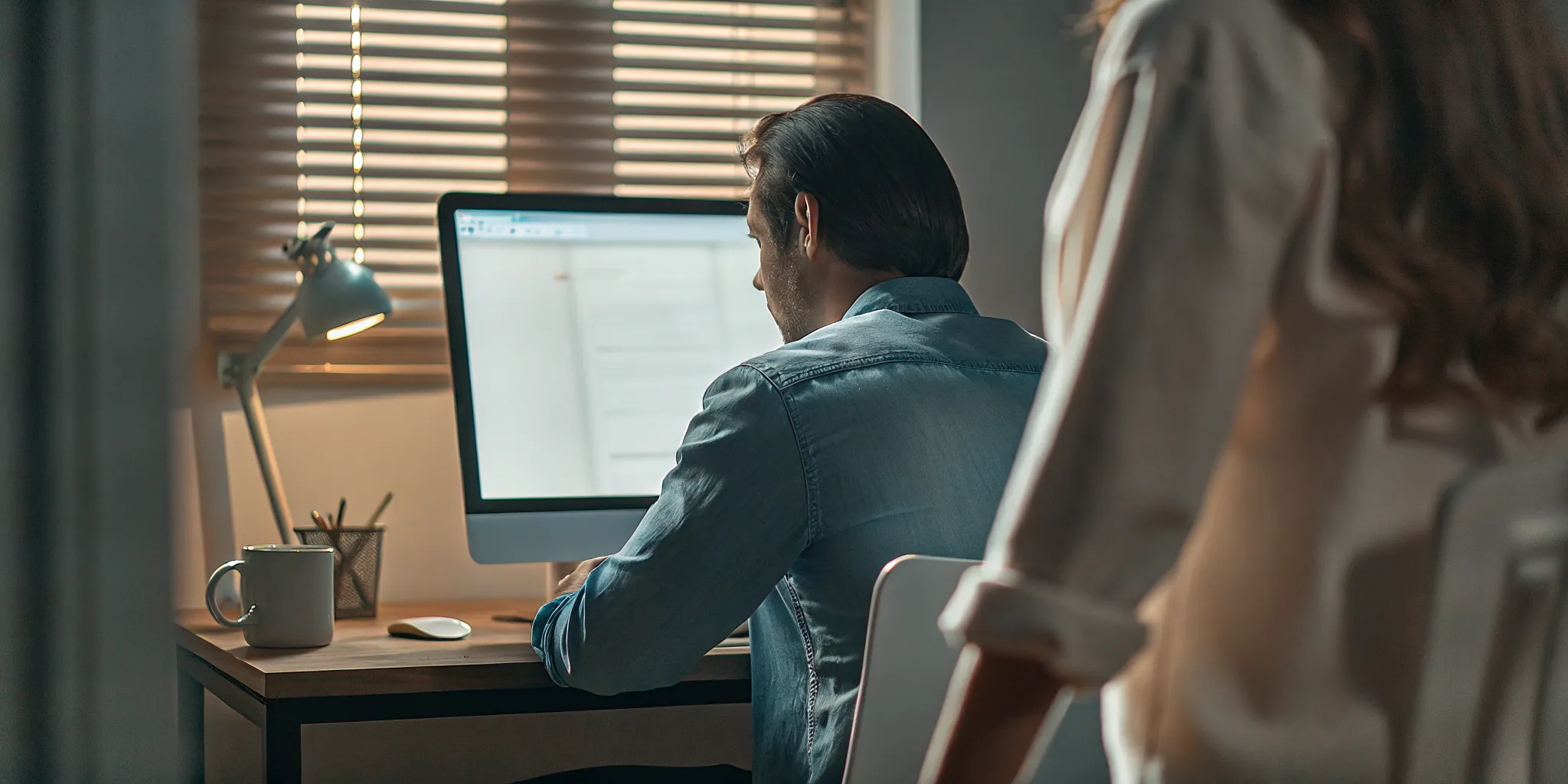
A single photo of you lifting groceries can put your entire Ontario workplace injury claim at risk. The board uses these methods to ensure that your daily actions match your medical reports. Understanding how this works is the best way to protect your benefits.
WSIB surveillance is a tool used by the board to verify that an injured worker's actions match their reported medical restrictions. According to WSIB policy, workers may quietly watch subjects in public places using video or photos to gather proof. This process often starts when a board member notices mismatches, such as a person doing tasks that go beyond their stated limits. These checks need director approval but can include watching your public social media posts or seeing you in shared spaces like parking lots. Any recording becomes part of your claim file and can be used to deny benefits, so following your doctor's orders is always vital today.
What WSIB surveillance can include
WSIB surveillance is a tool the board uses to check if a worker's actions match their health notes. It is not used in every case, but it is part of how the board gathers facts. The board has a legal duty to look into claims and make sure they are right. They use WSIB surveillance to see if a worker can do more than they say they can. This helps them pick if a person should get help or if a claim is valid.
Common ways the board gathers facts
When the board decides to watch a worker, they usually hire a private investigator. These people do their work in secret. They might watch a worker at home, in the park, or while they shop for food. The goal is to see how the worker moves when they think no one is watching. This view can be unlike what a doctor sees in a short visit. It gives the board a look at how an injury affects a person's daily life.
Investigators use tools like video cameras or take many photos. In some cases, they may use audio tapes or film. They look for actions that go against a worker's health notes. For example, if a worker says they cannot lift more than five pounds, a camera might find them carrying heavy bags. These records show if a worker's physical state is the same as what they told the board. They are a core part of the board's fact-finding work.
The rules for starting a check
The board does not just start watching people without a reason. There are strict rules they must follow. First, other ways of finding the truth must be tried. Watching a worker is often a last step when facts do not match up. A high-level director must also sign off on the plan. This sign off ensures that the move is fair and fits the board's rules. The board wants to be sure the move is worth the loss of privacy.
Most of the time, the board looks for red flags before they start. These flags might be tips from an employer or notes that do not add up. They also look at cases where a person's healing takes a long time. The focus is always on finding the truth about the injury and the person's ability to work. This helps keep the system fair for all Ontario workers.
Protecting your claim with clear facts
If you find out the board has watched you, stay calm. Many workers worry that one small move will end their claim. But the board looks for patterns of behavior, not just one moment in time. The best way to protect yourself is to be honest with your doctors from the start. If your abilities change, tell your team right away. This keeps your file up to date and fair for everyone.
Dealing with surveillance evidence in WSIB appeals can be hard without help. A legal expert can look at the video or photos to see if they are fair. They can help you explain your side of the story. If you need help finding an expert, you can choose a representative through our platform. They can guide you through the rules and help you keep your benefits on track.
How can surveillance affect a WSIB claim?
The WSIB has a duty to gather facts and make fair choices about your case. To do this, they may use WSIB surveillance to see how you move in your daily life. This tool is mostly used when there are red flags or signs that a claim might not be fully accurate. While being watched can feel scary, it is a standard part of how the board checks for fraud.
Clashes with medical reports
One major effect of surveillance is that it shows how you act when you do not think anyone is looking. The board will compare these videos to your main medical records. They look for any times when your actions do not match what your doctor has told them. If your file says you cannot bend or lift, but you are seen doing those things, it can harm your case.
These clashes often lead to a deeper review of your claim. The WSIB wants to make sure that money only goes to people who truly need it. If they find proof that you can work or do more than you claimed, they may deny your benefits. This is why knowing how WSIB surveillance impacts claims is so vital for workers in Ontario.
Creating a record for your file
When the board hires an agent to watch you, they collect video, photos, and even audio. This evidence is not kept in a secret vault. Instead, the agent writes a full report of what they saw. These reports are called transcripts, and they are added directly to your claim or company file. This ensures the board has a clear log of what you can do.
Once this data is in your file, it stays there as a fixed record. It is used as proof when the board decides if you still qualify for help. If you disagree with what the agent wrote, you usually have the right to see the files during a dispute. This allows you to check if the report is fair and true. Having a full record helps the board make a final call on your case.
The need for context and truth
A big problem with surveillance is that it only shows a quick look at your day. A video might show you lifting a box, but it cannot show the pain you feel for hours after. It does not show the meds you take to cope or the rest you need to recover. Without this context, a simple act can be made to look like you are lying about your injury.
The best way to protect your rights is to stay true to your medical limits. Do not try to push yourself past what your doctor allows, even for a moment. If you are always honest about your pain and limits, the board will have a harder time using surveillance against you. Staying the same in your daily life and in your reports is the best path to keeping your benefits safe.
Why social media activity may matter
Social media is a big part of life now. We use it to talk to friends and share news. But for an injured worker in Ontario, these posts can carry high risks.
The Workplace Safety and Insurance Board (WSIB) uses many tools to check if a claim is valid. One of these tools is WSIB surveillance. This often starts when a board worker sees "red flags" in a file.
These flags might be health reports that do not match what a worker says they can do. If you have an open claim, your public pages could be part of this review.
Risks of public posts
Public posts can tell a story that differs from your health records. A photo of you at a park might seem fine to you. But a board worker might see it as proof of strength you say you do not have.
This can lead to a deeper look into your claim. When you share photos or videos, you give the board a view of your daily life. If those views go against your stated limits, your benefits could be at risk. This is why many people ask how WSIB surveillance impacts claims to know the risks.
Tags and comments also play a role. A friend might tag you in an old photo. Even if the photo is years old, the board might think it is new. It is hard to prove the date of a photo once it is on a public wall.
The board has a duty to decide issues under the law. They can use surveillance to gather evidence for this goal. This includes looking at what you and your friends post online.
The problem with missing context
The biggest issue with social media is the lack of context. A single photo only shows one split second of your day. It does not show the pain you felt after the photo was taken.
It does not show the rest you needed for days after a short trip. Workers look for facts that support their case. They might miss the full picture of your injury. This can lead to surveillance evidence in WSIB appeals that is hard to fight.
You should not delete posts or hide facts. That can look like you are trying to trick the board. Instead, be aware of how your public life looks to others.
Use your social media in a way that is true to your health. The board also looks at how well you help with your claim. Under the duty to co-operate, you must give the board the info they need. This can include answering questions about your daily habits and social posts.
Best practices for online privacy
To protect your claim, you should check your privacy settings. Make sure only close friends can see your posts. Be careful about what you share and who can tag you.
The table below shows how different online habits compare. It can help you find ways to use social media without adding risk to your claim.
| Activity Type | Potential Risk | Best Practice |
|---|---|---|
| Public Photos | May show tasks that exceed limits. | Keep profile private and limit posts. |
| Location Tags | Shows activity levels to board. | Turn off tags or do not share spots. |
| Friend Comments | Others may post wrong details. | Review tags and set approval rules. |
| Old Reposts | Can be seen as current activity. | Add dates or clear notes to posts. |
Handling your online life is key to a smooth claim. It helps ensure the board sees a fair and full view of your case.
Practical steps to protect your claim
Finding out that someone is watching you can feel scary. While WSIB surveillance is not used for every case, the board uses it to check the facts. The best way to handle this is to stay calm and have a plan. You do not need to hide anything if you are being honest about your injury and how it affects your life.
Protecting your claim means making sure the board has a true picture of your day. Any gap between what you say and what an agent sees can lead to how WSIB surveillance impacts claims being denied. By taking these steps, you can help keep your benefits safe and secure.
Stay honest and stick to the facts
The main goal of a check is to find facts that do not match up. For example, if you tell your doctor you cannot lift five pounds but a camera shows you carrying heavy bags, the board will ask why. The WSIB uses surveillance to get proof and judge cases under the law. Always tell the truth to your doctors and the board.
Staying the same in your story is your best path. If you have a good day and do more than usual, tell your health team. It is normal for pain to change from day to day. Talking about these changes early can help. This also helps you meet your duty to co-operate with the board. It shows you are not being dishonest if the board sees you moving well on one afternoon.
Watch your records and online posts
Today, agents do not just follow you in person. They also look at what you post online. Photos on social media can be used as proof if they show you doing things your injury should stop. Check your privacy settings and be careful about what friends share. Keep your own good notes so you can answer any questions the board has later.
- Tell the truth at all times. Being honest with your doctors and the board is the top rule. If your story stays the same because it is true, it is hard for a video to be used against you.
- Follow all medical limits. Do exactly what your doctor tells you to do. If you have a limit on walking or lifting, stick to it at home and in public.
- Keep a daily log. Write down your pain levels and what you did each day. If the board asks about a date from weeks ago, your notes will help you give a clear answer.
- Save all your papers. Keep copies of every letter and medical report for your claim. Having these ready makes it easy to find mistakes in the board's proof.
- Check your social media. Set your pages to private and ask friends not to tag you in photos. Agents often look for public posts that go against your medical limits.
- Seek legal help. If the board uses a video to fight your claim, talk to an expert right away. You can choose a representative who knows how to challenge proof that is not fair.
You have rights during this process. Under the WSIB policy, you can usually see the video if there is a fight over your claim. A lawyer or paralegal can help you get these files. They can also explain any parts that look wrong. Staying ready and informed is the best way to save your future.
What should you do if surveillance is raised?
Learning that the Board has watched your daily life can feel like a shock. You might feel hurt or even scared. But you should know that WSIB surveillance is a standard tool used to check claims. If this issue comes up in your case, you must take the right steps to protect your benefits. Staying calm and getting the facts will help you move forward. You are not alone in this process, and there are ways to explain your side of the story.
Stay calm and request your file
The first thing to do is stay calm. It is common for workers to feel like their privacy was invaded. But getting angry or hiding from the board can hurt your claim. In Ontario, workers have a duty to co-operate with the board. This means you must keep talking to your case manager and share the info they need. Being honest and open shows you are acting in good faith.
If the board uses a video or a report against you, you have the right to see it. You can request a copy of your claim file to see exactly what they found. Seeing the footage helps you and your legal team know the board's concerns. You should look for dates, times, and how long the video is. Often, these clips are very short and do not tell the whole story. By seeing the file, you can find gaps in the evidence.
Review the evidence with context
Surveillance often shows only a few small parts of your day. It might capture you at a grocery store or picking up a box. It does not show the pain you feel later or the rest you need after a small task. You must look at the evidence and note what it leaves out. Did you take extra breaks? Did you use a brace that the camera missed? Keeping a daily diary of your pain and activity can help you prove these points.
It is also vital to check your social media pages. Public posts that show you doing active things can lead to a denial. If your photos seem to clash with your medical reports, the board may use them as proof against you. If you find your claim is being questioned, you should choose a representative to help you. An expert knows how to show that your actions were still within your medical limits. They can help you explain that a single moment on camera does not represent your whole life.
Speak with your medical provider
Once you know what is in the file, talk to your doctor. Share the board's findings with them so they can give a clear medical view. Your doctor knows your full history. They can explain why a specific action on camera does not mean you are fully healed. For example, you might be able to walk a short way but still not be fit for a full shift at work. A strong letter from your doctor can help clear up many doubts.
The Board looks for any sign that you can return to your old job. If you disagree with their findings, you must act fast. Using our intake form is a great way to find a legal professional. They can review your file and help you prepare for a hearing. Do not let a short video end the benefits you need to recover. With the right help and clear medical facts, you can fight for your claim and protect your future.
Why context matters when activity is observed
A video clip of you lifting a grocery bag or walking to your car only shows a few seconds of your day. It does not show the pain you feel after that task. It also does not show the hours of rest you may need to recover. The WSIB uses surveillance to gather evidence for claim decisions. But a short video lacks the full context of your medical state. Knowing this gap is key to protecting your claim.
The gap between video and reality
Video evidence can be misleading because it misses what happens before and after the film starts. You might have a good day where you can do more, only to face a flare-up later. The WSIB may use covert surveillance when they see red flags. These flags often come from medical reports that seem to clash with your daily life. But a brief act of moving does not mean you are healed or fit for work.
For example, you might lift a small box at a store. An investigator might record this as a sign that you have no limits. They do not see the rest you need or the help you get from family at home. This is why surveillance evidence in WSIB appeals needs a clear view. You must show how your injury affects you over a full day, not just a few minutes.
Improving your medical communication
The best way to handle surveillance is to be very clear with your doctor. Tell them about your good days and your bad days. Explain how long you can do a task before the pain starts. When the WSIB checks your file, they look for transcripts of surveillance recordings. If your doctor's notes match your public acts, it is much harder for the board to claim fraud.
Keep a daily log of your pain levels and tasks. Note when you try a task and how you feel after. This creates a record that provides the context video lacks. If you face a denial, knowing how WSIB surveillance impacts claims can help you plan a strong appeal. Honest, detailed medical notes are your best defense against a bad reading of video evidence.
Frequently Asked Questions
Can the WSIB use surveillance on me?
Yes. The board has a legal duty to check and decide on claims under the Workplace Safety and Insurance Act. They can use watch teams to gather facts about your injury and what you can do. This usually happens if they see signs that do not match your health reports. They want to make sure the benefits you get are right for your case and that all rules are followed.
Who must approve WSIB surveillance?
Not just any worker can start a watch on you. Based on the WSIB rules, a director in Stakeholder Compliance Services must approve the use of surveillance in every single case. This rule ensures that the board only uses these tools when they truly need to. It adds a level of check and balance to the process so that workers are treated fairly while the board gathers proof.
What methods does the WSIB use for surveillance?
The WSIB uses several tools to watch workers secretly. These can include taking photos, filming video, or using audio recordings. Private investigators may also watch your daily routine to see if your actions match what you told your doctor. This official policy explains that they use these methods to gather proof for a claim. All evidence they find is then added to your file and used to make a final choice.
Can I see the surveillance footage the WSIB collected?
You have the right to see what the board has on you, but there are rules about when you get it. If there is a legal fight, you can usually get full access to the video or logs. However, the WSIB may wait to give you this info if they are still doing an active check. Once they finish their work, you or your legal help can ask for a copy of the file.
Are you ready to get help with your WSIB claim?
Waiting to act can cost you more than just time when you are dealing with a WSIB claim. Every day you wait is a day that the board could use small mistakes or social media posts against you to stop your pay. You need to protect your rights and your money by getting expert help as soon as you can. When you start now, you give yourself the best chance to win your appeal or keep your benefits without any long breaks in your income. If you do nothing, you risk losing the support you need to take care of your family while you heal from your workplace injury. Good help makes it easy to follow these hard rules so you do not have to worry about simple errors ruining your case.
Ready to get help with your WSIB claim? Contact a representative to get help with your WSIB claim.
Need Help With Your WSIB Claim?
Connect with a verified WSIB lawyer or paralegal in Ontario. Most offer free consultations and work on contingency.
Find a Representative