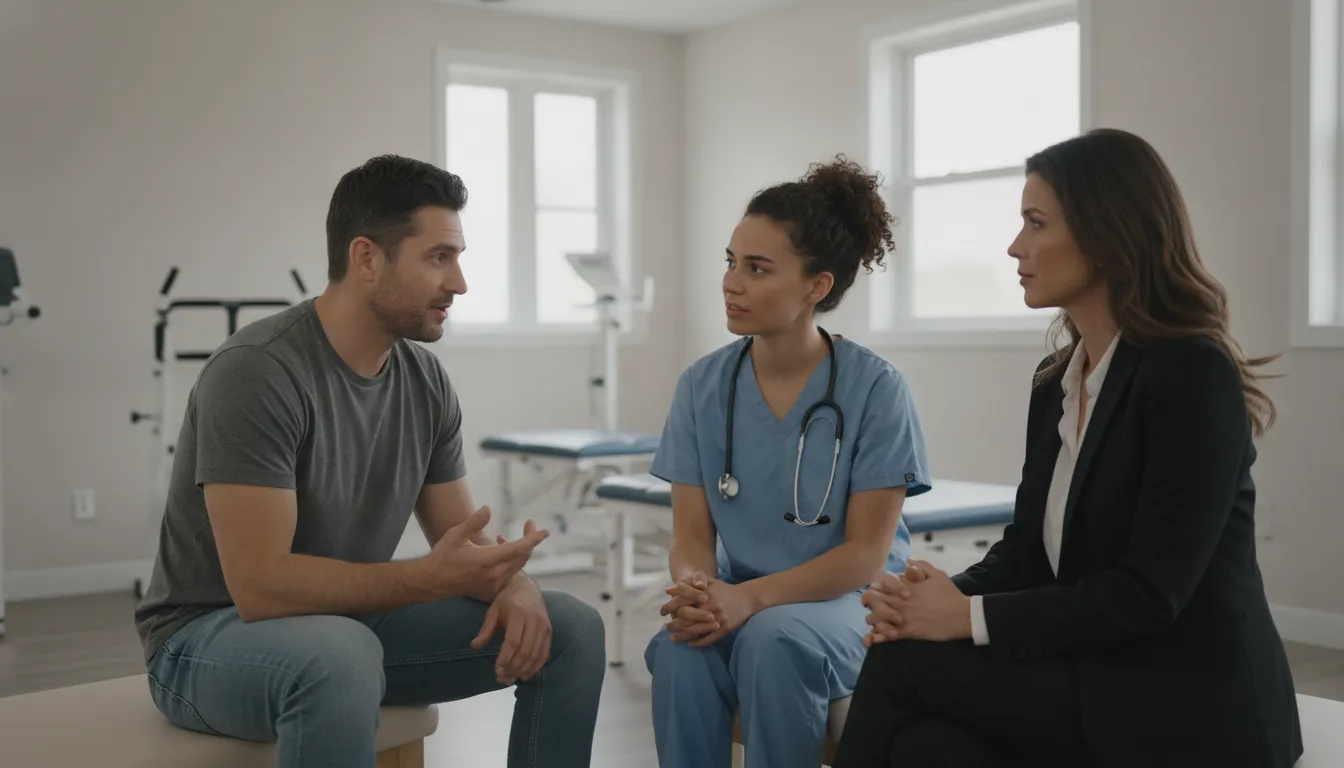
WSIB Benefits for Construction Workers in Ontario

Construction work can change in a moment. A fall, lifting injury, struck-by incident, or exposure to hazardous conditions can affect your health, income, and ability to return to the job. The construction sector remains one of Ontario's highest-risk industries for workplace injuries, so knowing what support may be available matters before a claim becomes overwhelming.
Find a WSIB lawyer or paralegal who understands construction injury claims if you need help protecting your next steps.
WSIB for construction workers Ontario can include no-fault benefits when an injury or illness is work-related. Depending on your circumstances, support may include wage-loss benefits, health care, rehabilitation, and other compensation. Reporting the injury promptly and keeping clear medical and workplace records can help protect your claim.
WSIB is the public agency that administers workplace injury compensation and no-fault insurance in Ontario. The sections below explain which construction injuries may be covered, what benefits can apply, and what steps to take after an incident, beginning with the risks workers most commonly face.
Common Construction Workplace Injuries Covered by WSIB in Ontario
Construction injuries that happen because of work may be covered by WSIB, from a single fall or equipment incident to a condition that developed through repeated physical demands. Fast reporting, medical care, and clear records of the job-site event can make it easier to show how the injury affected you.
Construction work combines height, heavy materials, powered equipment, electrical systems, and physically demanding tasks. The construction sector remains one of the highest-risk industries for workplace injuries in Ontario, so an injury can happen even when a worker and employer are following established safety procedures. WSIB generally covers injuries and illnesses that arise from the job, but the circumstances and evidence surrounding each claim matter.
Falls from scaffolding, ladders, and elevated surfaces
Falls are among the most serious construction incidents. A worker may fall from scaffolding, a ladder, a roof, a platform, or another elevated surface. The result can include fractures, head injuries, spinal damage, or a long-term disability. A fall does not have to be fatal or permanently disabling to affect a worker's ability to earn an income and support a family.
Struck-by and electrical incidents
Workers can be struck by falling tools, shifting materials, vehicles, cranes, or other equipment. These incidents may cause crushing injuries, lacerations, broken bones, or traumatic brain injuries. Electrocutions and electrical shocks are another significant risk, particularly where work occurs near energized systems, temporary wiring, or power lines. Even if an electrical incident leaves no obvious external injury, it should receive prompt medical attention.
Caught-in and caught-between accidents
Caught-in or caught-between injuries happen when a worker is pulled into machinery, trapped between moving equipment and a fixed object, or pinned by collapsing materials. These events can result in amputations, internal injuries, severe fractures, and extensive recovery periods. The injury should be reported promptly, and medical records should describe what happened at the job site.
Back injuries and other musculoskeletal conditions
Repeated lifting, carrying, bending, twisting, kneeling, and using vibrating tools can strain the back, shoulders, knees, and hands. Carpenters face particular exposure to back injuries and fall risks, which is why lifting practices and fall prevention remain important on residential and commercial sites. A gradual-onset condition may be harder to connect to one specific incident, but a work-related musculoskeletal injury can still deserve WSIB consideration.
If you were hurt while performing construction work in Ontario, WSIB coverage may apply whether the injury came from a single accident or developed through repeated job demands. Report what happened, seek medical care, and keep copies of relevant records. WSIB administers workplace injury compensation in Ontario, while the details of an individual claim depend on the worker's medical and employment circumstances.
WSIB Benefits for Construction Workers: What You're Entitled To
Eligible construction workers may receive WSIB support for lost earnings, necessary health care, permanent impairment, and a safe return to suitable work. The exact benefits and amounts depend on the accepted claim, medical evidence, functional restrictions, and how the injury affects your ability to earn income.
WSIB is Ontario's public workplace insurance agency. It administers no-fault compensation for work-related injuries and illnesses, so a worker does not generally need to prove that an employer caused the incident before seeking benefits. If you were injured or became ill because of your construction work, you have the right to file a claim for benefits. Learn more about how WSIB Ontario works before deciding what support you may need.
The benefit available to you depends on the medical evidence, how your injury affects your ability to work, and whether the effects are temporary or permanent. The table below provides a practical overview. WSIB determines eligibility and payment details for each claim.
| Benefit Type | What It Covers | Eligibility | Typical Amount or Duration |
|---|---|---|---|
| Loss of Earnings (LOE) benefits | Partial replacement of income when a work injury prevents you from earning your pre-injury wages. | You have a work-related injury or illness that causes a loss of earnings or limits your ability to perform your job. | Usually 85% of net pre-injury earnings while the work-related impairment affects your earnings. |
| Non-Economic Loss (NEL) award | Compensation for permanent physical or psychological effects of a work-related injury. | Medical evidence shows a permanent impairment after the injury has stabilized. | A lump-sum award based on the degree of permanent impairment. |
| Health care coverage | Approved medical treatment and related care needed because of the workplace injury. | The treatment is reasonable, necessary, and related to the accepted WSIB claim. | Coverage for approved injury-related medical costs. |
| Vocational rehabilitation | Support for retraining, transferable skills, and job placement when returning to the former trade is not realistic. | Your work-related restrictions prevent you from safely returning to your pre-injury job or trade. | Individualized return-to-work or retraining support under a rehabilitation plan. |
These categories can overlap. For example, a worker receiving LOE benefits may also need treatment and a vocational plan. Keep medical records, work restrictions, wage information, and WSIB correspondence together. If the decision does not reflect the impact of your injury, consider getting advice about your options before accepting it.
Get help with your WSIB claim before a denial, benefit decision, or return-to-work plan becomes harder to challenge.
How to File a WSIB Claim After a Construction Injury
After a construction injury, report what happened to your employer immediately, get medical attention, and keep every related record. Your employer must report the injury to WSIB when medical attention is required or you miss work. WSIB then reviews the information and decides whether you qualify for benefits.
Report the injury to your employer right away
Tell your employer as soon as the injury happens, even if it seems minor at first. A strain, small cut, or painful movement can worsen after you continue lifting, climbing, driving, or using equipment. Give a clear account of when, where, and how the incident occurred, and identify any witnesses. If symptoms develop gradually, explain when you first noticed them and which job duties may have contributed.
Reporting promptly creates an early record and helps your employer respond appropriately. The WSIB says workers must report a work-related injury or illness to their employer as soon as it happens. See this guide to file a WSIB claim for the broader Ontario process.
Get medical attention and preserve your records
Seek medical care when you need it, whether that means an emergency department, family doctor, walk-in clinic, or another health professional. Tell the provider that the injury happened at work and describe the construction tasks involved. Follow treatment instructions, attend follow-up appointments, and ask questions if you cannot safely perform your regular duties.
Keep copies of medical notes, prescriptions, test results, receipts, appointment dates, and work restrictions. Also save photographs of visible injuries or the work area, relevant messages, incident reports, and a personal timeline of symptoms. These records can help explain what happened if details are later disputed.
Confirm that your employer reports the incident
Your employer is required to report the injury to WSIB if you need medical attention or miss time from work. Ask when the report was submitted and write down any claim number or confirmation you receive. If you are unsure whether the report was made, contact WSIB directly and ask what steps are available to start your claim. Keep communicating about restrictions, but do not minimize your symptoms to return to a physically demanding job before it is safe.
Respond while WSIB reviews your claim
WSIB reviews information from you, your employer, and your health care provider before making a decision. Decisions may be made within days, but timing can vary when more information is needed. Answer requests promptly, provide consistent details, and keep copies of everything you submit. If your claim is denied or the decision does not address your injury, you may have appeal options and can seek advice about the next step.
What Happens When Your WSIB Construction Claim Is Denied
When a construction injury claim is denied, you can review the decision, gather medical and employment evidence, and challenge it through the WSIB appeals process. Denials may involve disputes about whether the injury happened at work, a pre-existing condition, worker classification, or incomplete medical records. Acting promptly can protect your options.
A denial does not necessarily mean that your injury is unrelated to your work. The Workplace Safety and Insurance Board (WSIB) is the Ontario agency responsible for administering compensation and no-fault insurance for workplace injuries and illnesses. However, the decision may turn on how the evidence was interpreted, not simply on what happened at the job site.
Why construction claims are denied
- Work-relatedness is disputed. WSIB may question whether the injury occurred during work, developed over time through job duties, or resulted from a workplace incident.
- A pre-existing condition is raised. An employer or WSIB may argue that symptoms came from an earlier injury or medical condition. Medical evidence can help distinguish the pre-existing issue from a work-related aggravation.
- Your worker status is questioned. A business may describe you as an independent contractor rather than an employee. That classification can affect WSIB coverage, particularly when the practical reality of the working relationship differs from the label in a contract.
- Medical evidence is incomplete. Gaps between the incident, medical treatment, and reporting, or records that do not connect the diagnosis to job duties, can make a claim harder to establish.
How the appeal process works
Start by reading the denial letter carefully. It should explain the decision and identify the deadline or next step for challenging it. Gather the incident report, medical notes, employment records, witness information, and any correspondence with the employer or WSIB. You can request reconsideration or appeal the decision through the applicable WSIB process, and some decisions may proceed to the Workplace Safety and Insurance Appeals Tribunal.
Appeal outcomes are not guaranteed. Claimit research indicates that appeal success rates declined significantly, reaching approximately 8% to 11% in 2024. Because deadlines and evidence requirements matter, consider speaking with a representative before submitting your appeal. Many Claimit representatives were former WSIB insiders and understand how the system evaluates construction claims. You can connect with a WSIB lawyer or paralegal who can review your situation and explain your options.

Returning to Work After a Construction Injury
Returning to work after a construction injury may involve modified duties, gradual scheduling, retraining, or vocational rehabilitation. Your employer and WSIB should consider medical restrictions and realistic work options, rather than expecting you to resume unsafe tasks before you are ready.
Returning to a construction job after an injury is not always an all-or-nothing decision. If your health-care provider clears you for some work, modified duties might include light work on site, yard organization, equipment checks, inventory, safety support, or administrative tasks. The duties should match your functional abilities and should not expose you to the activity that caused or worsened your injury.
Ask for your restrictions to be documented clearly. A return-to-work plan may address lifting limits, climbing, kneeling, driving, standing, hours, and the pace of work. Keep copies of medical notes and communicate promptly if the proposed duties are unsafe or your symptoms increase. For a broader explanation of return to work rights, review Claimit's guide.

Retraining when your former trade is no longer suitable
Some injuries prevent a worker from returning to the same trade, even after treatment. In those cases, WSIB vocational rehabilitation services may help identify transferable skills, suitable employment, and training options. For example, an experienced carpenter whose injury makes repetitive lifting unsafe might explore retraining for work as a safety inspector, estimator, or another role with different physical demands.
Employer obligations and rehabilitation support
Construction employers have re-employment and accommodation responsibilities when an injured worker meets the applicable requirements. WSIB-supported rehabilitation can help coordinate medical recovery, workplace communication, job modifications, and vocational planning. Research identifies integrated return-to-work and vocational rehabilitation programs as essential to reducing work-disability duration in construction. If your employer refuses reasonable modified duties, pressures you to ignore restrictions, or disputes your limitations, document what happened and seek advice before signing anything.
How Claimit Connects Construction Workers With WSIB Legal Experts
Claimit helps injured Ontario construction workers compare verified WSIB lawyers and paralegals and request help through one intake process. The platform is free for workers, and it is designed to make specialized legal support easier to find when a claim, appeal, or return-to-work plan feels difficult to manage alone.
Experience that goes beyond general legal knowledge
Construction injury claims can involve falls, repetitive strain, occupational exposure, return-to-work disagreements, or questions about whether a worker is an employee or an independent contractor. Claimit's network includes more than 14 verified WSIB lawyers and paralegals with relevant experience. Several representatives also bring substantial first-hand knowledge of how the system operates.
For example, Joyce Mitoma spent more than 25 years at WSIB and authored operational policies. Debbie Marquardt has more than 30 years of WSIB experience, and Tracy Halabiski is a retired WSIB director. That background can help workers connect with a representative who understands both the paperwork and the practical issues that may affect a claim.
A straightforward way to request help
- Browse representatives: Review verified WSIB lawyers and paralegals available through the platform.
- Choose a representative: Select the professional whose experience and approach best fit your situation.
- Submit the intake: Share basic information about your injury and claim so the representative can follow up.
Claimit does not charge injured workers to use the marketplace. Most representatives work on a 30% contingency fee basis, which generally means no upfront legal fee, although workers should confirm the fee arrangement directly before proceeding. To compare available professionals, contact a WSIB representative through Claimit.ca.
Start your confidential WSIB claim intake to connect with a representative who can discuss your construction injury and next steps.
Frequently Asked Questions
Construction workers in Ontario often have urgent questions about reporting injuries, available WSIB benefits, contractor status, deadlines, and denials. The answers below offer general information, but a claim's result depends on its facts, evidence, coverage, and the applicable WSIB rules.
How do I report a construction workplace injury to WSIB in Ontario?
Tell your employer about the injury or illness as soon as possible, seek medical attention when needed, and explain to the health professional that it is work-related. Your employer must report the incident to WSIB when medical attention is required or you miss time from work. You can also file your own claim and should keep records of what happened.
What construction worker benefits are covered under WSIB?
Depending on the circumstances, benefits may include health care expenses, Loss of Earnings benefits when an injury affects your ability to work, and a Non-Economic Loss award for a permanent impairment. Rehabilitation and vocational support may also help you recover or return to suitable work. Eligibility and benefit amounts depend on the evidence in your individual claim.
Are independent construction contractors eligible for WSIB in Ontario?
It depends on the real nature of the working relationship and whether the work is covered by WSIB, not only on the label in a contract. Construction businesses and workers can face disputes about employee, contractor, or operator status. If an employer calls you an independent contractor but you worked under its direction, gather contracts, invoices, schedules, and communications before seeking advice.
How long do I have to file a WSIB claim for a workplace injury?
Report the injury to your employer promptly and file a claim as soon as possible. Waiting can make it harder to document the incident, symptoms, witnesses, and lost time. The applicable deadline can depend on the type of injury or illness and the facts of the claim, so contact WSIB or a qualified representative if you are unsure whether you are still within time.
What is the process for a WSIB appeal after a construction injury claim is denied?
Read the decision carefully, identify what evidence or issue led to the denial, and follow the review or appeal instructions and deadline in the decision letter. Relevant evidence may include medical records, workplace reports, witness statements, and proof of your job duties. A WSIB lawyer or paralegal can help assess the decision and prepare the appeal.
Ready to Find Help With Your Construction Injury Claim?
Understanding your options can make the next step feel more manageable after a workplace injury. Claimit can help you find a WSIB lawyer or paralegal who understands construction-related claims in Ontario. The platform is free for workers to use, and you can share your situation through a simple intake process.
Get started with your WSIB claim intake when you are ready to connect with a representative.
Need Help With Your WSIB Claim?
Connect with a verified WSIB lawyer or paralegal in Ontario. Most offer free consultations and work on contingency.
Find a Representative