Workplace Slip and Fall WSIB Claim Ontario: Injury Guide

. Falls are the most common reason people go to the hospital for accidents in Canada. Slipping on a wet floor or icy path at work can change your life in a second.
Get WSIB legal help from a specialized representative today.
A workplace slip and fall WSIB claim in Ontario provides no-fault insurance coverage for workers who get hurt because of wet floors or icy walkways. These accidents are covered by the WSIB as long as the injury happened during your normal work hours. Most workers can get help that pays for medical bills and replaces lost pay if they cannot work. This system protects you even if the fall was your own fault or just a random event. You must tell your boss about the fall right away to start the process. Filing your paperwork fast helps you get the money you need to recover and get back to your job. If your claim is stopped, you have the right to fight that choice with an expert.
Many workers worry that a simple trip or stumble might not count as a real workplace injury. You need to know the facts about Are Slip and Fall Injuries Covered by the WSIB in Ontario? to protect your future. The path begins with
Workplace Slip And Fall Wsib Claim Ontario: Are Slip and Fall Injuries Covered by the WSIB in Ontario?
Yes, slip and fall injuries at work in Ontario are covered if they happen while you are doing your job. The Workplace Safety and Insurance Board (WSIB) gives no-fault insurance coverage for these events. This means you do not have to prove your boss was at fault to get help. If the accident is tied to your work tasks, you can get help for health care and lost pay.
When You Are Covered
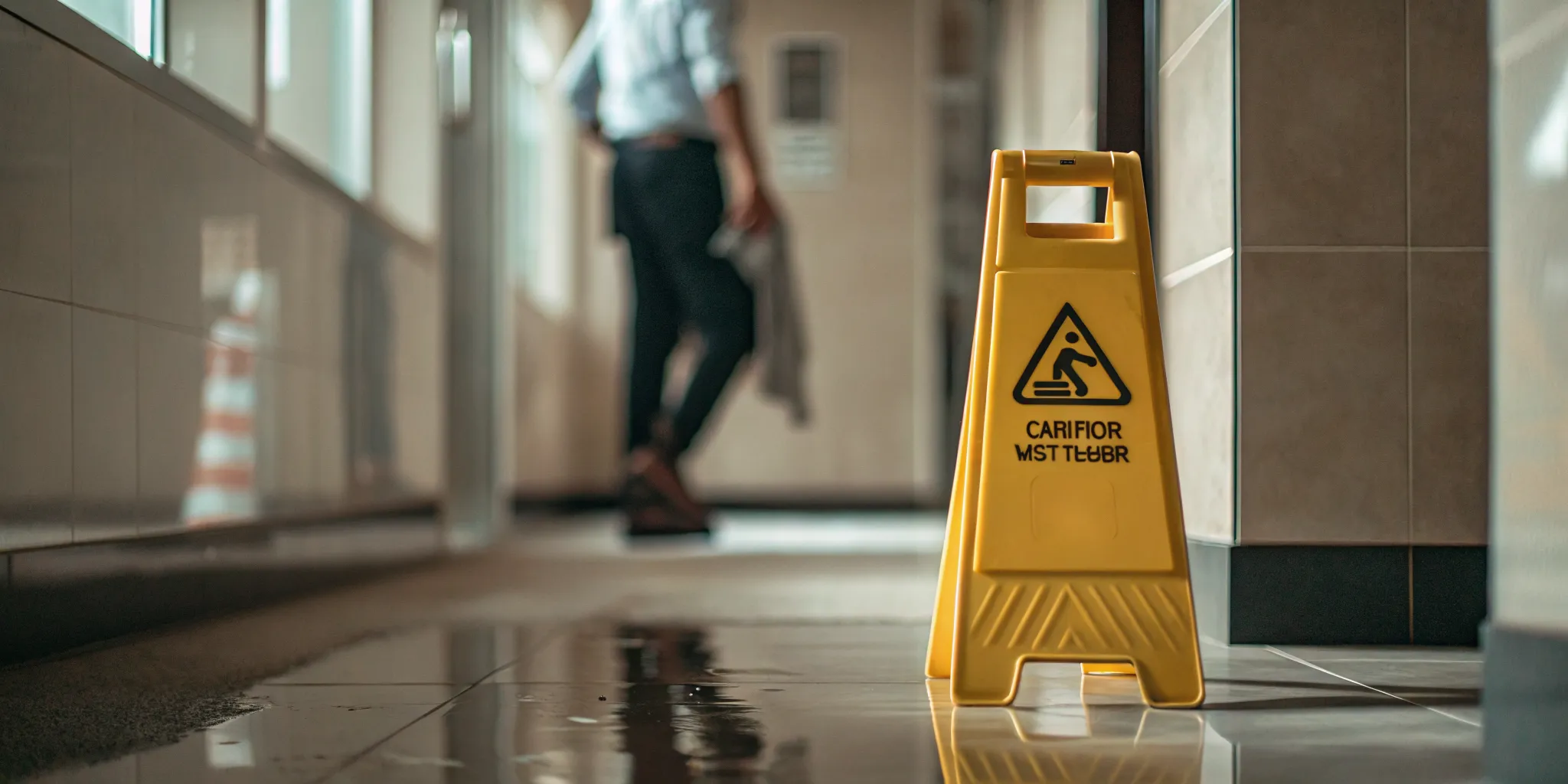
For a workplace slip and fall WSIB claim Ontario to be approved, the injury must come from your work. This means the fall happened because of a risk at your job site or while you were acting for your boss. Common examples include slipping on a wet floor in a shop or tripping over a loose rug in an office. Even if you are off-site for a work meeting, a fall may still be covered.
It is vital to know that falls are the top cause of injuries that lead to hospital stays for all ages in Canada. Because these accidents are so common, the law protects workers in many spots. This includes outdoor work where ice and snow create risks. If you fall while doing a work task, you have rights for workplace injury claims that help you get well and return to work safely.
Reporting the Accident
If you have a slip and fall, you must act fast. You must tell your boss about the injury right away. Your boss must also tell the WSIB if the fall needs health care or keeps you from work. You should file your claim as soon as you can to avoid wait times. If your claim is turned down, you have the right to appeal and look for more help.
Many workers find the forms hard to handle while they are in pain. You can use the Claimit site to find an Ontario WSIB representative to help you. These pros know how to show that your fall was work-related. They can help you get the full help you need. This lets you focus on getting better without extra stress.
Immediate Reporting Steps After a Workplace Slip and Fall
A workplace slip and fall can happen fast, but what you do next matters. In Ontario, the law has clear rules for how to report these events. Following these steps helps you get the health care and wage help you need to heal. If you miss a step, you might lose your right to WSIB aid.
Seek care and tell your boss
Your first goal is to see a doctor or nurse. Even if you feel fine, some hurts like head hits or back pain show up later. Tell the health worker that your hurt happened at work. This helps them start your file the right way. You must also report the injury to your employer as soon as it happens. Ontario law says you must give this notice right away to keep your rights.
File your WSIB forms
The WSIB uses three main forms to track your case. As the worker, you must focus on completing your WSIB Form 6. This is your own report of how you fell and what hurts. Your boss must fill out Form 7 if you need care or lose pay. Finally, your doctor sends Form 8 to show your health state. All three must be in the system for a quick choice on your claim.
- Get help: See a doctor to treat your hurt and record the event.
- Tell your boss: Let your lead know about the fall right away to meet the rules.
- File Form 6: Send your report to the WSIB to start the real claim path.
- Watch the clock: Keep an eye on dates to make sure you file all forms on time.
- Find a pro: If the WSIB says no, you can find an Ontario WSIB representative to help you fight back.
Keep good notes of your hurt
Workers should keep thorough records of their care and how the fall stops them from work. Write down the names of peers who saw you fall and save all bills for things like drugs or trips to the clinic. These notes prove that your slip and fall was a work injury. Strong proof makes it hard for the board to turn down your plea for help.
Critical Evidence to Preserve for Your WSIB Claim
A workplace slip and fall can happen in a split second, but the effects often last a long time. Falls are the top cause of injuries that lead to a hospital stay in Canada for all ages (NIH). If you fall at work, you must act fast to protect your rights. Success for a workplace slip and fall WSIB claim Ontario depends on clear proof. You need to show what caused your fall and how it hurt you.
Record the scene right away
If you can, take photos of the area where you fell before it changes. Look for ice, spilled water, or poor light. These details show why the fall happened and help build your case. If anyone saw you fall, get their names and phone numbers. Their words can back up your story later. This is key because WSIB appeals need clear evidence of work-relatedness to succeed. You should also tell your boss about the fall as soon as it occurs.
Get medical help and keep files
See a doctor right after your fall, even if you feel fine. Some injuries take a few days to show up. A medical report is a vital piece of proof for WSIB coverage for injuries. It links your hurt to the fall at work. Keep a file of all your health notes and missed work days. This file will help when you are completing your WSIB Form 6. Having all your files in one place makes it easier to get the help you need.
Note the conditions of the fall
Write down the exact time and spot of your fall. Note if there were warning signs or if the floor was wet. If you fell outside, write down the weather. Ice and snow are major risks for outdoor slip and fall accidents in Canada. These details help your lawyer or paralegal show that the workplace was not safe. Accurate notes from the day of the fall prevent mistakes later on.
Common Reasons WSIB Denies Slip and Fall Claims
Many people face a denial after a workplace slip and fall. The WSIB system in Ontario has strict rules for these claims. If you do not follow every step, they may reject your file. It is vital to know why these denials happen. This helps you build a strong case from the start. You can also find an Ontario WSIB representative to check your file if you need help.
Late reporting and lack of proof
Reporting your injury fast is the most vital step. In Ontario, workers must tell their boss about a fall right away. If you wait days or weeks, the board may doubt your claim. They often think the injury happened at home. Late reporting is a top reason for a quick denial. You must report any fall that needs health care or keeps you from work.
You also need proof that the fall happened at work. Often, no one else sees a slip and fall. Without a coworker to see the fall, the board relies on your word and doctor notes. You should record the names of anyone nearby. Also, take photos of the floor where you fell. This shows that the fall was caused by your work.
The role of old injuries
The board may try to blame your pain on an old injury. This is common if you have a bad back or weak knees. They might claim that the slip just made an old problem flare up. This can lead to a full or partial denial of your pay. They may say the injury was not new, but just a part of your past health.
But you still have rights in these cases. A fall is often covered if it made your old condition worse. You can read more in our guide on WSIB coverage for injuries that involve prior health problems. Clear medical records from your doctor are the best way to win this fight. They can show how the new fall caused a clear change in your health.
How to fight a WSIB denial
If your claim is rejected, you can file an appeal. You have the right to see your claim file to find out why they said no. Looking at these notes helps you see the gaps in the board's logic. Falls are a main cause of unplanned injury hospital stays in Canada for all age groups according to study data. Because falls happen so often, the board looks for any reason to deny a file.
A good appeal needs new proof. This could be a new scan or a letter from an expert. Many workers find that a legal expert helps them win. You want to show that your injury was a direct result of the slip. Keeping a log of your pain since the day of the fall is a great way to support your case.
| Denial Reason | Counter Evidence Needed |
|---|---|
| Late reporting | Email or text logs to your boss sent on the day of the fall. |
| No witnesses | Photos of the scene and a list of staff who were in the area. |
| Prior injuries | Doctor notes that show how the fall made an old problem worse. |
| Lack of medical proof | First aid reports and hospital records from the day of the fall. |
How to Appeal After a Denied Workplace Slip and Fall WSIB Claim Ontario
A denied workplace slip and fall WSIB claim in Ontario is not the end of the road. If the WSIB rejects your claim, you have the legal right to challenge that choice. Falls are a top cause of injuries that lead to hospital stays in Canada, so getting help is vital for your health and cash flow. You can start by checking your rights for workplace injury claims to see how to proceed.
Understand the Appeal Deadlines
Timing is everything when you want to appeal a WSIB choice. The WSIB sets strict time limits for when you must act. In most cases, you have six months from the date of the decision to let the WSIB know you disagree. If you miss this window, you may lose your chance to get benefits. You should look at the letter you got to find the exact date the clock started ticking.
File a Notice of Objection
The first official step in the WSIB appeal process is to send in a Notice of Objection form. This form tells the WSIB that you want a review of their choice. It is smart to request a copy of your WSIB claim file at this stage. This file shows all the notes and medical data the WSIB used to say no. Seeing this info helps you find gaps in their logic or missing facts about your slip and fall.
Get Specialized Legal Support
The WSIB review system is often complex and hard to navigate alone. Many workers find that having an expert on their side makes a big difference. A skilled person can help you gather new medical proof or witness statements to show how your fall happened at work. If you need help with this process, you can find an Ontario WSIB representative who knows the rules inside and out. These experts often work for a fee only if you win, which helps if you are out of work and short on cash.

Frequently Asked Questions
Can I sue my employer for a workplace slip and fall in Ontario?
Generally, you cannot sue your employer for a slip and fall if you are covered by WSIB. The system acts as a no-fault insurance plan. This means workers get benefits no matter who caused the accident, but they give up the right to take legal action against their boss. According to the WSIB, this trade-off provides stable support for workers and protects employers from lawsuits. Most Ontario workers fall under this required insurance system.
What should I do if I have a workplace slip and fall in Ontario?
If you fall at work, seek medical care right away to show how you were hurt. You must tell your boss about the accident as soon as it happens. Next, file a claim with the WSIB to start the benefits process. Your employer is also required to report the event if you need health care or lose pay. Quick reporting helps ensure you get coverage for lost wages and medical bills without any slow downs in the system.
Are all workplace injuries covered by WSIB in Ontario?
Most workplace injuries are covered, but there are some limits. To get benefits, the slip and fall must happen while you are doing your job. Some small businesses or specific jobs may not have required coverage. You should check if your workplace is registered with the WSIB before an accident occurs. If you are covered, the no-fault system handles medical costs and a part of your lost income while you get better.
How does a WSIB claim work in Ontario?
A WSIB claim begins when you report your injury and fill out the right forms. The board looks at the facts to check that the fall happened during work hours. Once approved, you can receive payments to help with lost wages if you cannot work. The system also pays for doctor visits and help to get moving again. Research from PMC shows falls are a top cause of hospital stays in Canada, making these benefits vital.
Ready to choose a WSIB representative to fight for you?
Waiting to file your slip and fall claim can be a very costly mistake. If you miss the strict WSIB timelines, you might lose your right to wage loss pay and medical care. By acting today, you can get an expert to review your case and ensure everything is filed correctly to avoid long and painful delays.
Do not leave your case to chance when help is available now. You can focus on your health while a pro handles the paperwork for you. It is now time to act for your future. Ready to get the support you need? Choose a specialized WSIB representative to fight for you to get a free consultation and start your claim today.
Need Help With Your WSIB Claim?
Connect with a verified WSIB lawyer or paralegal in Ontario. Most offer free consultations and work on contingency.
Find a Representative